
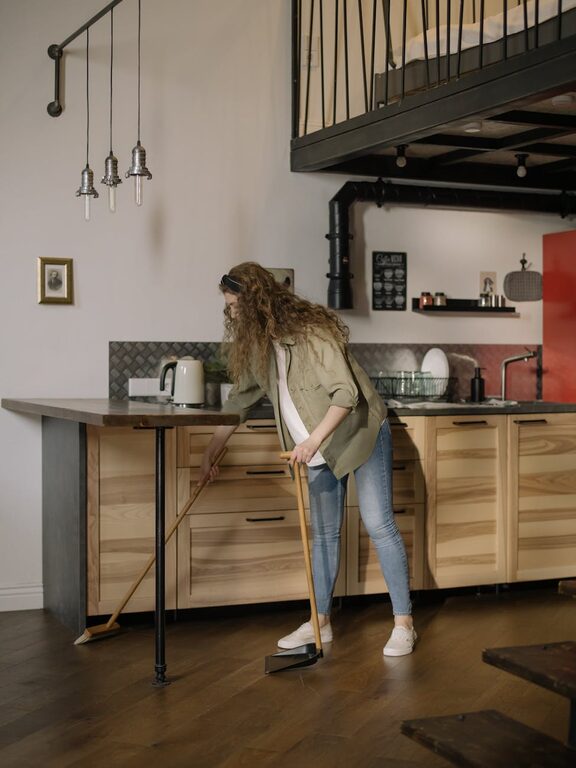
When the last bite of dinner is enjoyed, the task of cleanup often feels overwhelming. Washing multiple pots, scrubbing pans, and clearing the table can quickly turn a relaxing evening into a chore-filled one. Fortunately, with a little planning and smart habits, dinner cleanup can become much easier and quicker. Here are some practical ideas to help you streamline the cleanup process and enjoy your evenings more.
Plan as You Cook
Clean While You Cook
One of the best ways to reduce dinner cleanup time is to clean as you go. Instead of letting dishes pile up, wash or rinse them while food is simmering or baking. This habit keeps the sink from overflowing and shortens the final cleanup.
Use Fewer Dishes
Another effective strategy is to limit the number of dishes you use. Try one-pot or one-pan recipes that combine ingredients all in one dish. For example, sheet-pan meals, casserole dishes, or skillet dinners mean fewer pots and pans to wash.
Soak Pots and Pans Immediately
If scrubbing a sticky pan feels daunting, fill it with hot water and dish soap right after dinner. As you eat or relax, the tough residues will soften, making scrubbing much easier.
Organize Your Kitchen Beforehand
Clear Counter Space
Having a clean and organized kitchen counter before cooking lets you work efficiently and minimizes mess. Put away any unnecessary items to give yourself plenty of space to prep ingredients.
Set Up a Cleaning Station
Designate a spot near the sink for soapy water, sponges, and drying racks. Keeping these tools handy encourages quick cleanup and discourages putting it off.
Smart Kitchen Tools and Accessories
Use Dishwasher-Safe Cookware
Choosing pots, pans, and utensils that are dishwasher safe can save hours of hand washing. Be sure to check manufacturer recommendations and load the dishwasher efficiently.
Non-Stick and Silicone Tools
Non-stick pans are easier to clean because food doesn’t stick as easily. Silicone spatulas and cooking utensils are also simple to wash and less likely to stain.
Disposable or Reusable Liners
Try using parchment paper or silicone liners on baking sheets to prevent food from sticking and reduce scrubbing. They catch spills and crumbs, speeding up cleanup.
Adopt Efficient Cleanup Habits
Rinse Immediately
Rinsing plates and utensils right away stops food from drying and sticking, making washing simpler later.
Group Similar Tasks
Wash all knives first, then spoons, and so on. Grouping tasks allows muscle memory to take over and often speeds up the process.
Delegate Tasks
If possible, share cleanup duties with family members. Children can help clear the table or wipe surfaces while adults wash dishes, turning cleanup into a team effort.
Post-Dinner Tips
Wipe Down Surfaces Immediately
While dishes soak or dry, use a damp cloth to wipe down counters, stovetops, and dining tables. Quick wipe-downs prevent stains and stubborn messes.
Store Leftovers Properly
Transfer extra food to airtight containers immediately. This not only protects your meals but also keeps your kitchen tidy.
Maintain Your Sink Area
Keep the sink and surrounding area clean to avoid the buildup of grime and lingering smells. Dispose of food scraps properly and clean the sink basin regularly.
Time-Saving Shortcuts
Use a Compost Bin
Having a small compost container nearby while cooking lets you quickly dispose of peels and scraps without multiple trips to the trash.
Pre-Soak in the Dishwasher
If hand washing feels overwhelming, run pots and pans through a pre-soak cycle in the dishwasher (if available) before washing them normally.
Keep Cleaning Supplies Ready
Stock your kitchen with effective, easy-to-use cleaning products. Spray cleaners, scrub brushes, and microfiber towels save time and improve results.
—
By incorporating these ideas into your kitchen routine, dinner cleanup can become a faster, less stressful part of your day. Small changes, like cleaning as you cook or using the right tools, add up to big time savings. Your evenings are too valuable to be spent scrubbing—start making cleanup easier tonight!