
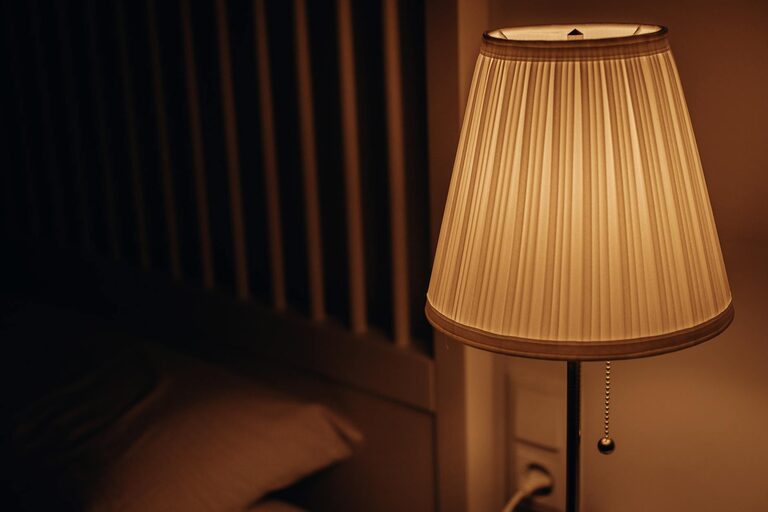
Creating a comfortable and inviting atmosphere in your home starts with the right lighting. Good lighting not only brightens up your space but also affects your mood, productivity, and even your eye health. Choosing the perfect lighting can seem overwhelming with so many options available, but with a few simple guidelines, you can easily find the best lighting solutions tailored to your needs.
In this guide, we’ll walk you through essential tips to help you pick comfortable home lighting that complements your lifestyle and enhances your living environment.
Why Comfortable Lighting Matters
Lighting influences the way you feel and function within a space. Harsh, overly bright light can cause headaches and eye strain, while dim or inadequate lighting may lead to difficulty seeing and feeling less motivated. Comfortable lighting balances brightness with warmth to provide optimal visibility and a cozy ambiance.
Understand Different Types of Lighting
Choosing comfortable lighting starts with knowing the three main types of lighting, each serving a unique purpose:
1. Ambient Lighting
This is the primary source of light in a room, providing general illumination. Examples include ceiling lights, chandeliers, and recessed lights. Ambient lighting should be bright enough to navigate the room safely but not so intense that it causes glare.
2. Task Lighting
Task lighting targets specific areas where activities like reading, cooking, or working take place. Desk lamps, under-cabinet lights, and reading lights fall into this category. These lights help reduce eye strain by providing focused, sufficient lighting on workspaces.
3. Accent Lighting
Accent lighting highlights particular features such as artwork, plants, or architectural details. Wall sconces, track lighting, and spotlights serve this decorative function and add depth to the room’s atmosphere.
Tips for Choosing Comfortable Lighting
Consider the Color Temperature
Light color temperature is measured in kelvins (K) and affects the mood of a room:
– Warm Light (2700K–3000K): Produces a yellowish, cozy glow, ideal for bedrooms and living areas where relaxation is key.
– Neutral Light (3500K–4100K): Balanced and versatile, suitable for kitchens and bathrooms.
– Cool Light (5000K–6500K): Bright and bluish-white, perfect for work areas or spaces requiring focus.
For comfortable home lighting, opting for warm to neutral lighting usually works best.
Use Dimmable Lights
Installing dimmers allows you to adjust lighting levels according to the time of day and activity. Dimmers add flexibility, enabling bright light for tasks and softer light for relaxing or entertaining.
Layer Your Lighting
Combine ambient, task, and accent lighting to create a layered effect. This approach allows you to change the lighting mood easily and improves functionality throughout the day. For example, a living room with overhead lights, lamps beside seating areas, and accent lights on artwork feels welcoming and balanced.
Pay Attention to Light Fixture Style
Choose fixtures that complement your home’s decor and enhance the light they produce. Fixtures with shades can soften light, while exposed bulbs might create glare. Materials and shapes also influence how light spreads within the room.
Maximize Natural Light
Make the most of daylight by positioning furniture near windows and using light, sheer curtains to diffuse sunlight gently. Natural light improves mood and reduces the need for artificial lighting during the day.
Avoid Glare and Shadows
Position lights so they do not shine directly into your eyes or create sharp shadows. Indirect lighting, such as wall washers or lamps with shades, helps minimize uncomfortable glare and promotes a relaxed atmosphere.
Select Energy-Efficient Bulbs
LED bulbs are a great choice for comfortable home lighting as they provide quality light, use less energy, and last longer than traditional incandescent bulbs. Many LED options offer adjustable color temperatures and dimming features.
Consider Room Size and Ceiling Height
Large rooms and high ceilings require brighter, more powerful lighting fixtures to illuminate the space evenly. In smaller or cozier rooms, softer lighting may be more appropriate. Tailoring lighting to room proportions ensures balance and comfort.
Room-by-Room Lighting Suggestions
Living Room
Choose warm ambient lighting with several lamps or light sources to avoid a single harsh overhead light. Incorporate task lighting for reading corners and accent lights to showcase decor.
Kitchen
Use bright, neutral-toned lighting to ensure safety and clarity while cooking. Under-cabinet lights are excellent for illuminating countertops.
Bedroom
Opt for dimmable warm lights that create a restful environment. Bedside lamps with adjustable brightness make reading comfortable without disturbing others.
Bathroom
Bright, shadow-free lighting is important here. Consider vanity lights on either side of mirrors and overhead lights that avoid sharp contrasts.
Home Office
Bright, cool-toned task lighting can improve focus. Adjustable desk lamps paired with ambient lighting help reduce eye strain during work hours.
Final Thoughts
Comfortable home lighting blends functionality with ambiance, transforming your space into a welcoming haven. By understanding lighting types, selecting appropriate bulbs, and layering your light sources, you can tailor your home’s lighting to meet your needs effortlessly.
Remember, lighting is an adjustable tool that changes with your lifestyle. Don’t hesitate to experiment with dimmers, different bulb temperatures, and fixture styles until you achieve the perfect balance that feels right for your home.
Happy lighting!